Welcome to the Blog
Closing the Skills Gap: What It Really Takes
How Schools, Businesses, and Communities Are Rebuilding America’s Skilled Workforce- Together
For years, we’ve heard about the “skills gap” and the growing disconnect between the job opportunities in the manufacturing and the number of people trained to fill them. According to the Manufacturing Institute and Deloitte, the U.S. manufacturing sector needs to fill nearly 3.8 million jobs by 2033, but roughly 1.9 million of these positions could go unfilled due to a lack of skilled workers.
But the truth is… the skills gap isn’t just about missing talent. It’s driven by a lack of awareness, exposure, and support for young people to explore and pursue careers in the skilled trades.
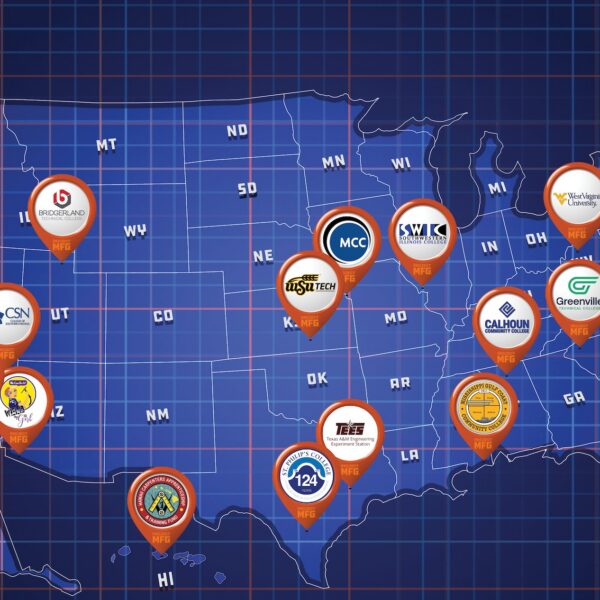
On top of facing a skills gap, our country is also facing a rapidly growing demand for skilled trade professionals, from machinists to welders, technicians, and engineers. Across the country, schools, industry, and local partners are coming together in new, strategic ways to rebuild America’s pipeline of makers and problem-solvers, and the results speak for themselves.
So what does it actually take to close the skills gap? Let’s break it down.
1. Schools are Moving from
"College for All" to "Opporitunity for all"
For a long time, career and technical education (CTE) was portrayed as the fallback option. Now? It’s becoming a first-choice pathway.
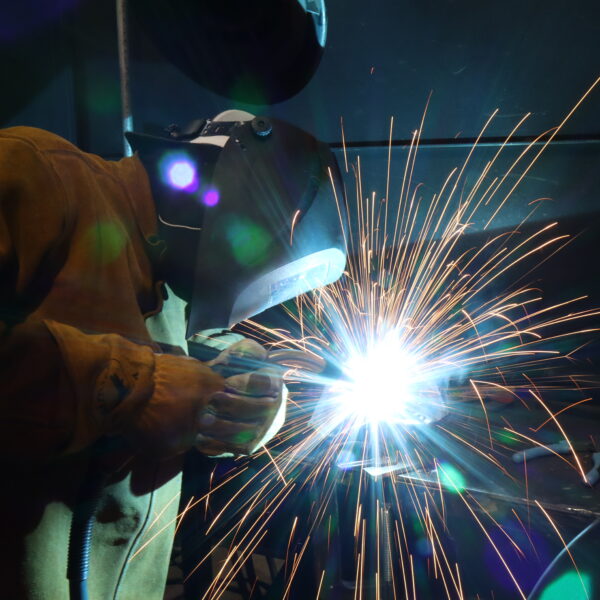
High schools, technical colleges, and universities are modernizing programs to match real industry standards, including 5-axis machining, welding, additive manufacturing, and automation. Instead of teaching skills about manufacturing, schools are teaching skills for manufacturing. That difference is huge.
What effective school partnerships look like
- Schools and companies work together to create training that matches real workplace skills.
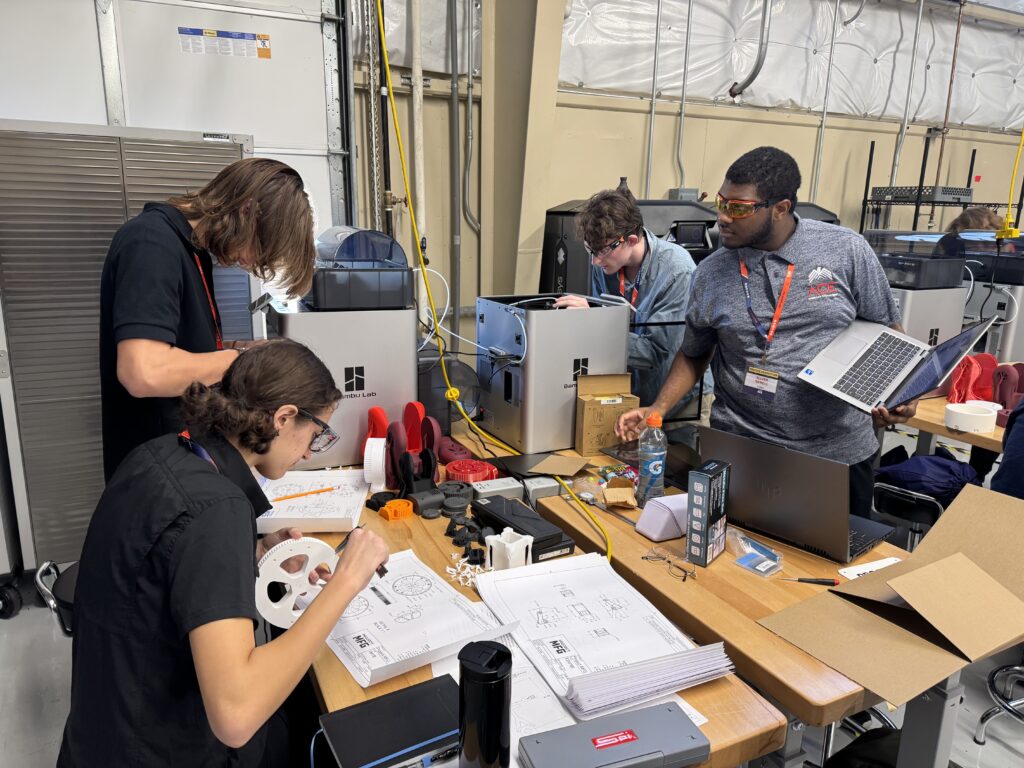
- Students get hands-on projects that feel like real work, not just assignments.
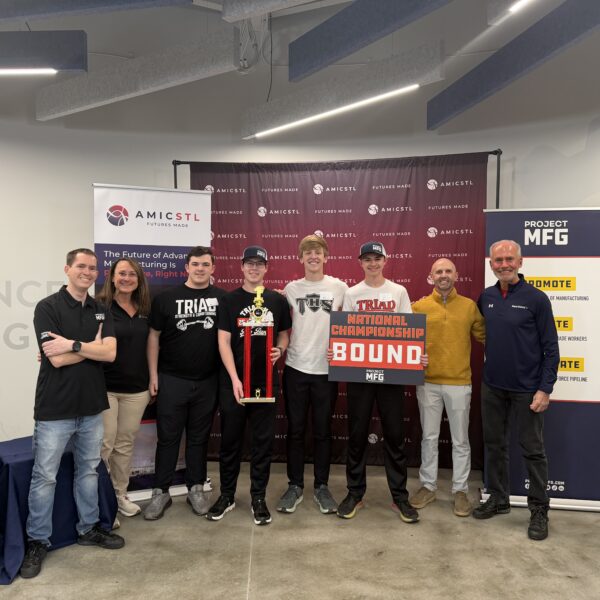
- Competition and challenges that help students build confidence, teamwork, and problem-solving skills.
That way, these classes become more than just a class but a launchpad for real careers.
2. Businesses are taking an active role
in growing their own talent
Manufacturing companies have shifted from “waiting for qualified applicants” to “investing in the next generation.” And honestly, we believe that is one of the biggest mindset changes driving progress.
From hosting facility tours to donating equipment, sending mentors into classrooms, and offering internships, companies are showing up long before hiring day.
What successful industry involvement looks like:
- Providing hands-on learning opportunities like apprenticeships and paid internships.
- Providing updated tools and equipment, so students can train with what industry professionals and companies actually use.
- Giving guidance from real industry professionals, giving students advice and skills from people who do the work every day.
- Allowing students to recieve clear feedback on what skills are needed and helping schools teach what matches real jobs
When students understand what they’re learning and why it matters, everything clicks!
3. Communities are playing a key role in closing the gap
This is where local leaders, educators, parents, groups, and workforce organizations step in; they act as the bridge between education and career.
Communities help make collaboration possible by supporting programs, connecting students to opportunities, and helping schools and industry align around shared goals. They advocate, organize, and build the culture needed to sustain a strong talent pipeline. They also help overcome resource gaps, which many schools and small manufacturers can’t do alone.
The unique value communities bring:
- They help connect schools with local employers.
- They support hands-on events that show students what real jobs look like.
- They promote workforce development and help change how people view the skilled trades.
- They build awareness and excitement around manufacturing careers.
Communities help bring schools and businesses together, strengthening them.
4. Real success happens when all three work together
Closing the skills gap requires a network, not a single program. The schools teach aligned skills, employers build real-world experiences, and communities provide the support and coordination to bring it all together.
What strong partnerships make possible:
- Graduates who are confident, skilled, and ready for real work.
- Communities with a stronger, more reliable workforce.
- Renewed pride in American manufacturing.
Together, these partnerships are helping build the next generation of makers and showing that the U.S. can rebuild the skilled workforce it needs and close the gap.
At the end of the day…
Closing the skills gap isn’t about quick fixes. It’s about long-term partnerships that give students pathways to meaningful careers, support educators with resources, and help industry grow stronger communities.
Schools, businesses and communities all play an important role, but when they work together, they’re transforming the next generation of skilled trade professionals.
And the momentum is only growing.
Share: